Graduate Marine Engineer (GME) Course
COACHING & GUIDANCE
Professional GME Course Coaching | DG Shipping Approved | Global Marine Engineering Career
⚙️ Why Choose GME?
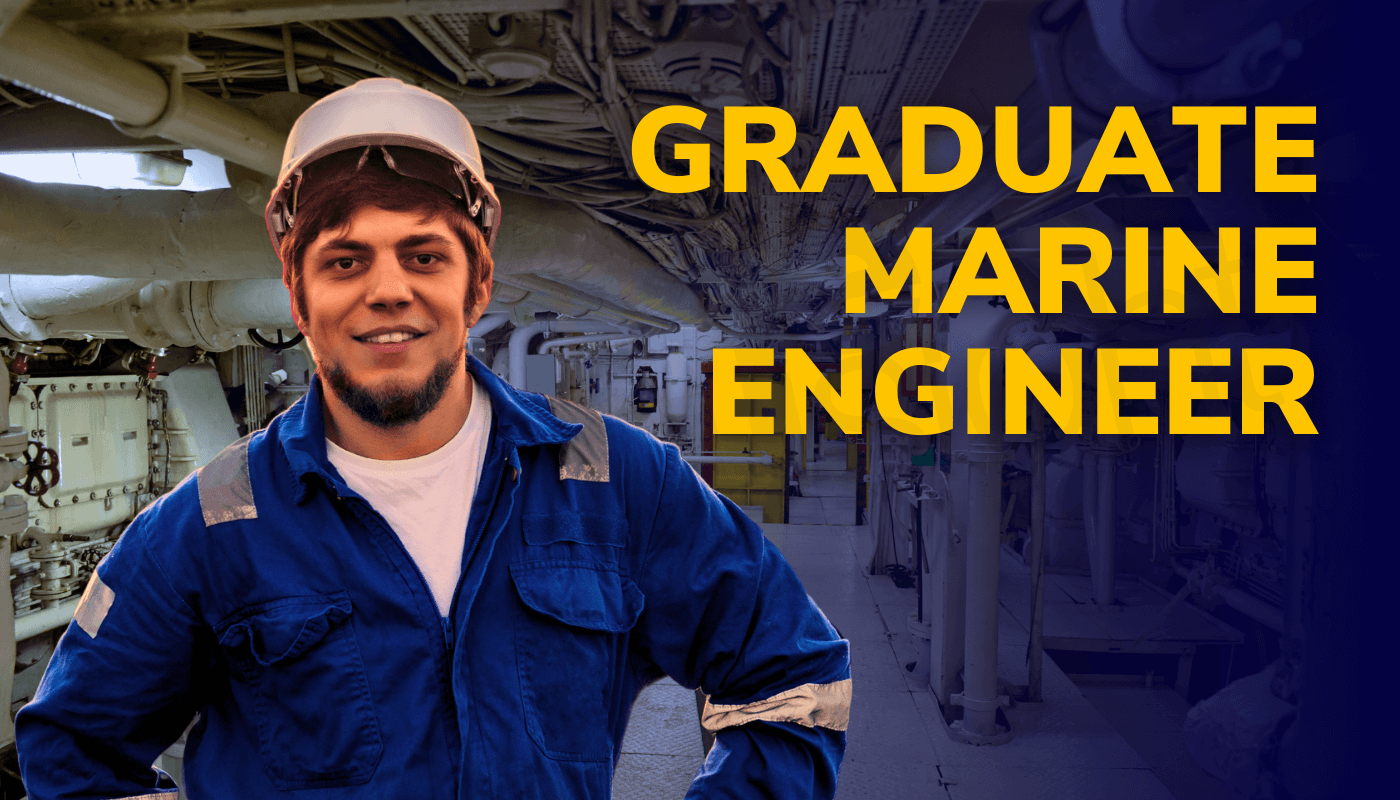
Graduate Marine Engineer (GME): 1-year conversion course for Mechanical/Naval Architecture graduates to become Marine Engineers on merchant ships.
Key Benefits:
Feature | Details |
💰 Salary | ₹8–12 Lakhs/month ($9,500–14,000 USD) |
🌏 Global Opportunities | Work worldwide on cargo & passenger ships |
⚡ High Demand | Urgent need in bulk carriers, tankers, LNG vessels |
📈 Career Growth | Trainee → 4th Engineer → Chief Engineer (₹9–15L+/month) |
Career Path: Trainee Engineer → 4th Engineer → 3rd Engineer → 2nd Engineer → Chief Engineer → Superintendent Engineer (₹10–20L+/month on shore)
Engineers earn approximately 30% more than Deck Officers at equivalent ranks. With increasing ship automation and LNG fleet expansion, Marine Engineers are in constant demand globally.
📋 Eligibility & Entry Requirements
Educational Qualification
Bachelor’s Degree Route (Primary):
- BE / B.Tech in Mechanical Engineering
- BE / B.Tech in Naval Architecture
- BE / B.Tech in Thermal/Mechanical/Power Systems Engineering
- Aggregate: 50–60% typically required
- Medium: English medium instruction mandatory
Alternative Routes:
- 3-year Diploma in Mechanical/Marine Engineering (≥60%) + lateral B.Tech
- Equivalent recognized engineering qualification from AICTE/UGC/State/Central Government institutions
Other Essential Requirements
Requirement | Details |
English | Minimum 50% in English (10th or 12th), or 60% in Diploma with English medium |
Medical Fitness | DG Shipping approved medical examination (eyesight, BMI, cardiac, hearing tests per marine standards) |
Passport | Valid Indian passport required for INDOS registration |
Age | Typically up to 35 years of age |
Background | Clear criminal record and no medical disqualifications |
Note: Individual institutes may have slightly different criteria. Captain’s Maritime Academy guides you through every eligibility verification step.
✅ Admission Process & Entrance Exam
5-Step Admission Pathway
- Online Application & Documentation
- Fill institutional application form
- Upload educational certificates, ID, passport, and relevant documents
- Pay application/entrance test fee
2. Entrance Examination
- Type: Objective (MCQ) or written test format (varies by institute)
- Total Marks: 100–150 marks
- Duration: 120–150 minutes
- Mode: Online (AI-proctored for most institutes)
- Level: Bachelor’s degree level Mechanical/Marine Engineering
3. Technical Interview & Group Discussion
- Shortlisted candidates appear for online/offline technical interview
- Covers mechanical concepts, marine system knowledge, communication skills
- HR round to assess motivation for sea career and maritime orientation
- Some institutes include group discussions on maritime topics
4. DG Medical Certification
- Conducted through DG Shipping approved medical practitioners only
- Includes vision tests (normal color vision required), ECG, blood tests, BMI assessment
- Must meet DG Shipping sea-service fitness standards
- Additional psychometric tests in some cases
5. Final Selection & Admission Offer
- Candidates clearing exam + interview + medicals receive admission letter
- Course fee payment and joining instructions issued
- Sponsorship offers confirmed (if applicable)
GME Entrance Exam Syllabus & Topics
Thermodynamics & Heat Transfer
- Basic thermodynamic laws and cycles
- Heat engines and efficiency calculations
- Marine propulsion thermodynamics
Marine Propulsion Systems
- Marine diesel engines operation and maintenance
- Gas turbines in LNG ships
- Diesel-electric and hybrid propulsion systems
Marine Electrical Systems
- AC/DC power generation and distribution
- Engine room electrical systems
- Automation and control systems for propulsion
Engine Room Management
- Safety procedures and emergency protocols
- Pollution prevention (MARPOL regulations)
- Maintenance schedules and log-keeping
- STCW Code compliance and sea-service rules
Mechanical Engineering Basics
- Fluid mechanics in marine contexts
- Materials and corrosion in seawater
- Pressure vessel design and operation
Professional Competency
- Communication skills
- Leadership and teamwork (bridge resource management concepts adapted for engine room)
- Problem-solving in real ship scenarios
✅ Admission Process & Entrance Exam
Rank-wise Salary by Vessel Type (2024–2025)
Rank | Bulk Carrier | Oil Tanker | LNG Carrier | Cruise Ship |
Trainee Engineer | $700–900 | $1,000–1,500 | $1,500–2,500 | $2,000–3,000 |
4th Engineer | $2,000–2,500 | $2,500–3,500 | $4,000–5,500 | $5,000–7,000 |
3rd Engineer | $3,000–3,500 | $3,500–4,500 | $6,000–8,000 | $8,000–10,000 |
2nd Engineer | $4,500–5,500 | $5,500–7,000 | $8,000–10,000 | $10,000–12,000 |
Chief Engineer | $8,000–10,000 | $10,000–12,000 | $12,000–15,000+ | $15,000–18,000+ |
KEY INSIGHTS
- LNG & Container Ships offer 40–50% premium due to advanced propulsion systems (dual-fuel engines, complex automation)
- Cruise Ships command highest salaries due to extensive machinery and high responsibility
- Career progression from Trainee to Chief Engineer typically takes 5–7 years with continuous sea service
- Shore-based roles (Technical Superintendent, Fleet Manager, Shipyard Engineer) offer ₹9–20 Lakhs/month after 3–5 years at sea
Long-Term Career Options
At Sea (Years 1–7+):
- Trainee → 4th Engineer → 3rd Engineer → Chief Engineer
- Specialized roles: DP Operator (Dynamic Positioning), Automation Engineer, Chief Technical Officer on advanced vessels
Shore-Based (After 3+ Years Sea Time):
- Technical Superintendent / Fleet Manager in shipping companies
- Classification Society Surveyors (Bureau Veritas, Lloyd’s Register, ABS)
- Shipyards and Ship Design Companies
- Marine Equipment Manufacturers (engine builders, automation systems)
- Port Authorities and Marine Service Companies
- Maritime Training Institutes and Consulting
📚 GME Course Structure
1-Year Institute Training (Approximately 12 Months)
Module 1: Marine Propulsion Systems (3 months)
- Diesel engine operation, maintenance, and troubleshooting
- LNG and alternative fuel engines
- Propeller design and hydrodynamic efficiency
- Fuel handling and purification systems
- Practical work: Engine room simulator and hands-on exercises
Module 2: Marine Electrical & Automation Systems (2 months)
- Power generation (diesel generators, alternative sources)
- Distribution systems and circuit protection
- Engine room electrical layout and redundancy
- Automated propulsion control systems
- PLC programming basics for marine applications
- Practical: Electrical switchboards and control panel operation
Module 3: Safety, Environmental & Regulatory Compliance (2 months)
- STCW Code A-III/2 compliance and competency standards
- International Maritime Regulations (MARPOL, SOLAS)
- Fire prevention and emergency procedures
- Pollution prevention (oil spill response, ballast water management)
- Safe working practices in engine room
- Advanced firefighting and first aid certification
Module 4: Engine Room Management & Operations (2 months)
- Engine room organization and maintenance scheduling
- Spare parts management and inventory
- Log-keeping and record-keeping (oil record book, engine log)
- Communication with bridge and crew
- Decision-making under pressure
- Resource optimization and fuel efficiency
Module 5: Practical Training & Assessments (3 months)
- Engine room simulator exercises
- Real machinery hands-on training
- Performance-based assessments
- Internal examinations and practical tests
- Sea-readiness evaluation
- Bridge visiting and ship familiarization tours
Post-Institute Training (6 Months Onboard)
Trainee Engineer Shipboard Training:
- Work aboard actual merchant vessels under Chief Engineer supervision
- Maintenance and troubleshooting of live machinery
- Practical application of theoretical knowledge
- Mentoring by experienced engine room officers
- Documented Training & Record Book completion
- Performance testimonials and sea service certificates
🎓 Why Captain's Maritime Academy?
Expert Guidance & Mentorship
Our mentors are ex-Chief Engineers, Fleet Managers, and Technical Superintendents with 15+ years of industry experience. They understand exactly what institutes and shipping companies are looking for and provide insider knowledge.
Concept-Based, Not Rote Learning
We focus on deep understanding of marine engineering principles, not memorization. You’ll master propulsion systems, automation, and safety—skills that directly translate to success on ships.
Comprehensive Practice Material
- 100+ MCQs on each topic (Propulsion, Electrical, Safety, Management)
- Previous exam patterns from IMU-CET, company sponsorship tests, and institute entrance exams
- Topic-wise practice tests with progressive difficulty levels
- Time-management strategies for high-scoring performance
🏆 Top GME Institutes in India
Institute | Location | Affiliation | Special Features |
Anglo-Eastern Maritime Academy (AEMA) | Mumbai | DG Shipping Approved, IMU | Premium training, company sponsorship |
Indian Maritime University (IMU) | Chennai | Central University | IMU-CET entrance, 4-year B.Tech route |
Tolani Maritime Institute (TMI) | Mumbai | DG Shipping Approved | Residential, industry partnerships |
HIMT College | Chennai | DG Shipping Approved | Modern facilities, placement-focused |
SCI – Maritime Training Institute (MTI) | Mumbai | SCI Government Company | SCI sponsorship available |
VMS Shipping | Mumbai | DG Shipping Approved | Company sponsorship, fast-track hiring |
AMET University | Chennai | Deemed University | B.Tech & postgraduate programs |
BP Marine & Offshore School | Chennai | DG Shipping Approved | Advanced training, specialized programs |
All listed institutes are DG Shipping approved and recognized globally. Selection depends on your eligibility, location preference, sponsorship availability, and career goals.